
Middle East business event organisers are calling for broader use of real-time multilingual translation services, as demand rapidly expands beyond flagship conferences and trade shows, according to independent research commissioned by global multilingual event technology company Interprefy
The study, Accelerating Global Communication, found that 82% of Middle Eastern business event organisers are experiencing high demand for multilingual translation services, reflecting the region’s increasingly international workforce and global-facing operations.
Crucially, the research shows that multilingual support is no longer viewed as a “nice to have” reserved for major external events. 61% of respondents believe their organisation would benefit from using live translation for webinars, while 55% see clear value in business meetings and 54% in internal ‘all hands’ sessions, signalling a fundamental shift in how organisations view everyday communication.
As Middle East economies continue to diversify and attract international talent, expectations around inclusive, accessible communication are rising in parallel. Coverage across regional business media has highlighted how hybrid working models, cross-border teams and international investment are reshaping workplace norms, placing new pressure on organisations to ensure language is no longer a barrier to participation.
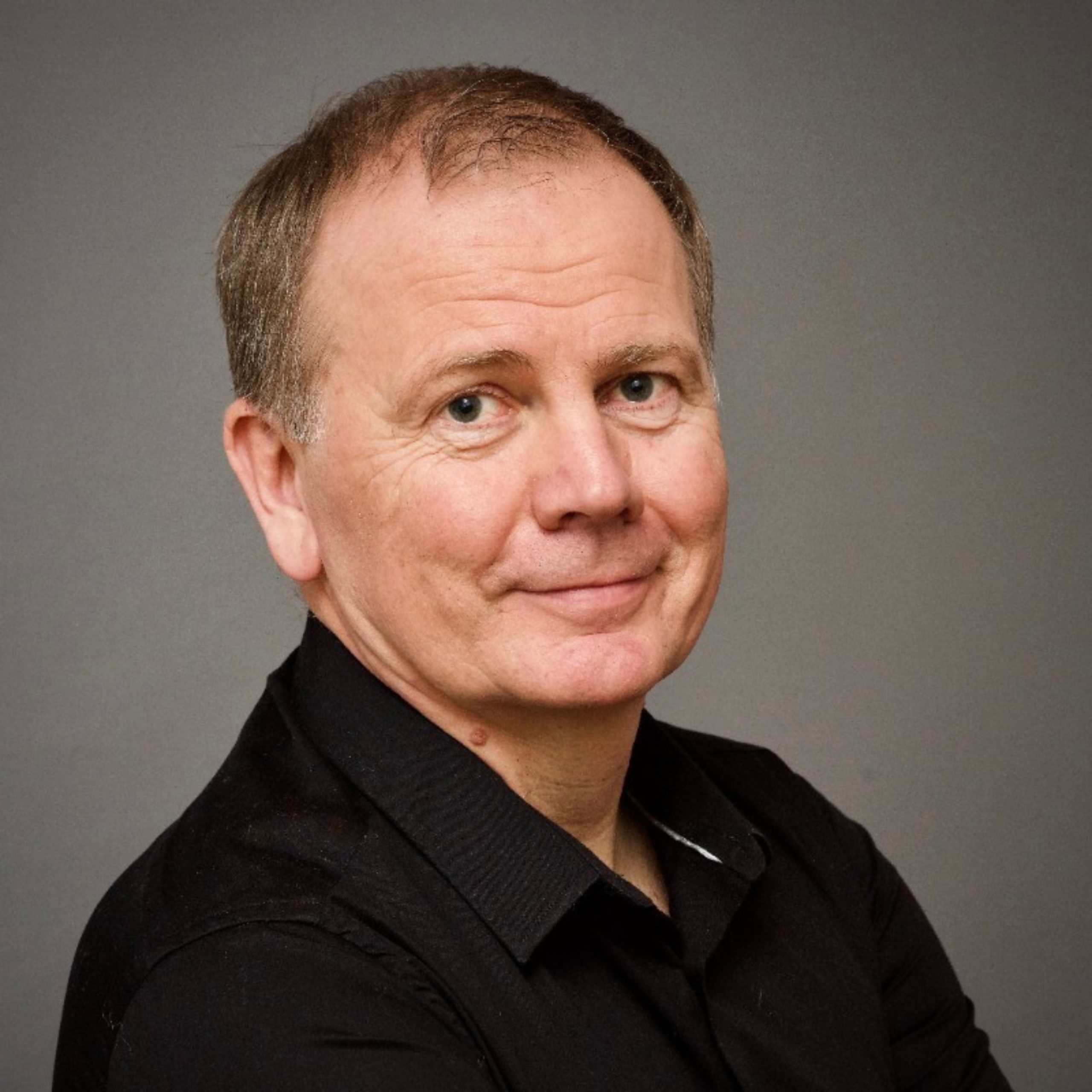
Oddmund Braaten, CEO at Interprefy, said, “What we’re seeing in the Middle East is a clear turning point. Multilingual access is no longer confined to headline events; it’s becoming a core requirement for day-to-day collaboration. When teams are distributed across regions and cultures, language inclusion directly impacts productivity, engagement and decision-making.
Having supported multilingual events and meetings for many years, we’re seeing organisations place far greater emphasis on solutions they can rely on as this becomes part of everyday business.”
The findings reflect a broader regional trend as Middle East businesses enter 2026, with governments and enterprises alike investing heavily in internationalisation, digital transformation and global events strategies.
“From large-scale economic forums to frequent virtual briefings and internal updates, the volume and variety of multilingual communication in the Middle East continue to grow. What organisations need now are solutions that can flex across different formats and platforms, supporting everything from high-profile events to everyday meetings, while maintaining the level of accuracy and accessibility these environments demand,” added Braaten
A key differentiator highlighted by the research is the increasing preference for hybrid human–AI approaches. Organisations want flexibility: professional interpreters for high-stakes or sensitive discussions and AI-powered speech translation or live captions for scale, speed and cost-efficiency. Interprefy’s platform uniquely brings both options together, supported by proven workflows, infrastructure and deep multilingual event expertise.
Braaten continued, “The opportunity for Middle East organisations now is to move beyond one-off multilingual support and embed language accessibility into everyday communication. When multilingual strategies are planned into meetings, webinars and internal updates, businesses are better equipped to support diverse teams, enable global collaboration and scale internationally with confidence.
That increasingly means adopting flexible models that combine human expertise with AI, supported by proven workflows organisations can depend on as multilingual communication becomes business-critical.”
As multilingual communication becomes a daily operational requirement rather than an occasional event add-on, Interprefy’s research shows that Middle East organisations are reassessing how they deliver language support at scale. Many are moving toward flexible models that balance accuracy, efficiency and accessibility, selecting different approaches depending on the context, sensitivity and reach of each interaction.
“By using technology that fits seamlessly into existing workflows, organisations can remove communication barriers without adding complexity, ensuring every participant can engage meaningfully, wherever they are and whatever language they speak,” concluded Braaten.
