
When leaders should speak, and when restraint is the wiser choice
The pressure to say something is overwhelming. Since Iranian strikes began hitting the Middle East in late February 2026, business leaders throughout the region have faced an unfamiliar dilemma: speak publicly and risk misreading a fast-moving situation, or stay silent and appear absent when stakeholders need direction. The situation is ongoing. And yet, through it all, something quietly remarkable has happened. Businesses have stayed open. Teams have shown up. Commerce has continued. The region has absorbed the shock and kept moving, which is perhaps the most honest signal of resilience any community can send. In moments like these, the personal brand of a business leader is no longer a marketing asset. It becomes a moral instrument. And like any instrument, it can be played with precision, or it can produce noise.
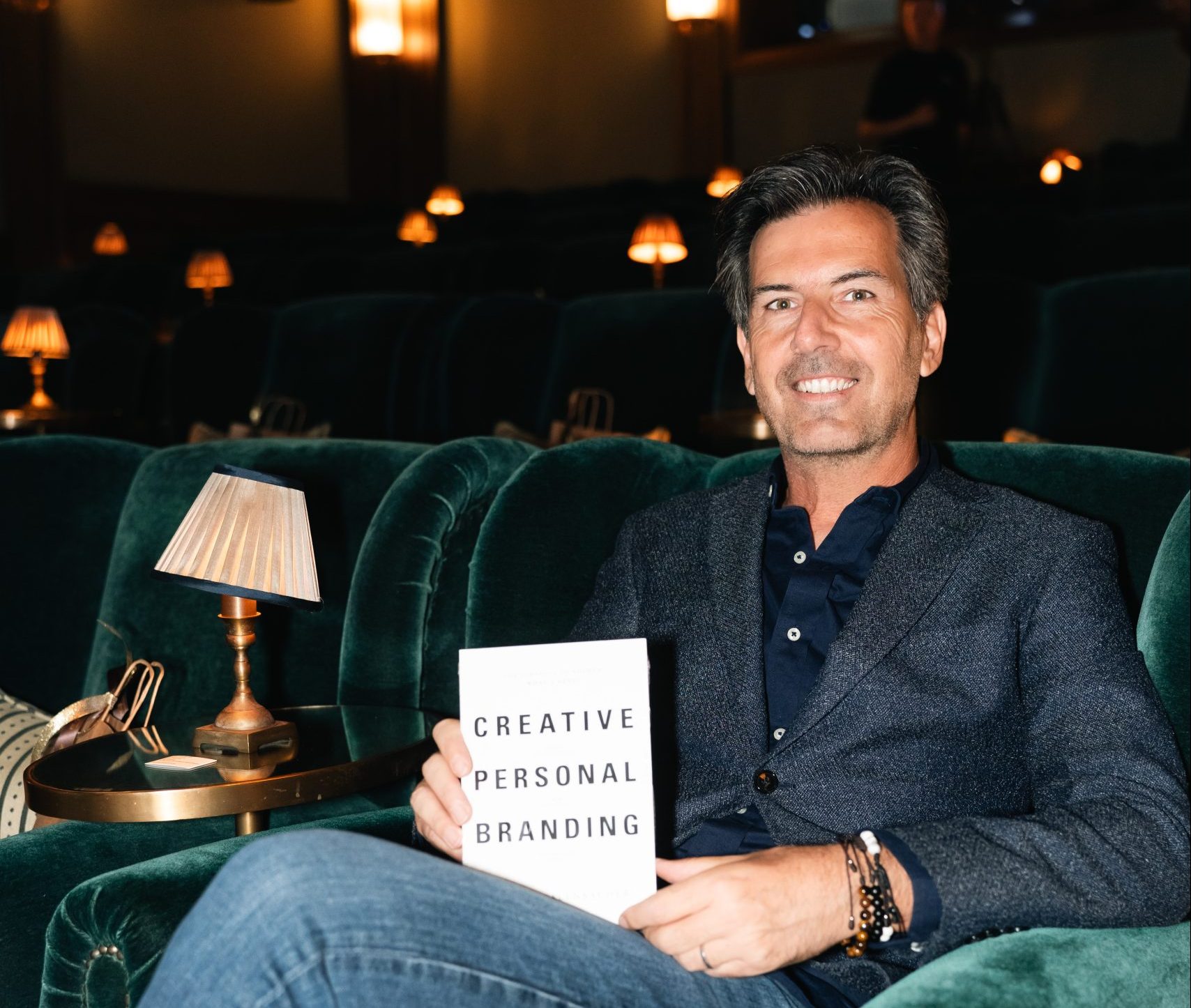
Creative Personal Branding rests on four pillars: substance, style, conviction and grace. In stable times, these qualities help leaders differentiate themselves. In a crisis, they determine whether people trust those leaders with their futures. These pillars are not owned by any single culture or tradition. They apply with equal force to every professional navigating this moment, regardless of where they come from or how long they have called this region home. What varies is context. What remains constant is character.
Substance demands that executives speak only from their domain of genuine expertise. A supply chain leader understands what a disruption to Hormuz traffic means for their sector. A hospitality executive sees the empty booking calendars. That knowledge, specific, earned, and grounded, is where credibility lives. The temptation to comment broadly on geopolitical conflict is understandable, but it is also a trap. The executive who positions as a war commentator on Monday and a business visionary on Tuesday earns trust in neither role. In the Gulf, where professional reputation is built across borders and cultures, audiences are especially unforgiving of overreach.
Style is how leaders carry themselves when stakes are highest. The Middle East is home to one of the most culturally diverse professional communities in the world. Arab nationals, Southeast Asian executives, Western professionals, and leaders from across Africa share the same boardrooms and business districts. What this community holds in common, regardless of origin, is a sensitivity to composure. In a region where professional relationships are built on long-term trust rather than transactional exchange, leaders who demonstrate steadiness in uncertainty accumulate more credibility than those who rush to fill every silence. Restraint here is not passivity. It is strategic intelligence.
Conviction is the most complex pillar in the current environment. Senior executives across the region manage stakeholders with profoundly different vantage points: investors from the United States, strategic partners from across the Arab world, clients from Asia, and workforces drawn from dozens of nationalities. In this context, conviction does not always mean speaking outward. More often, it means establishing internal clarity, declaring with precision what the organisation stands for and how it will protect its people. That internal act transforms a leader from a communicator into a compass.
When public communication is necessary, precision matters more than volume. The leaders who navigate these moments most effectively do not offer commentary on the conflict itself. They speak about their commitments: the safety of every team member, the continuity of service for those who depend on them, the values that define the organisation’s character. This is leadership language. It signals conviction without performing politics.
Grace may be the quality most tested right now. Across the diverse traditions represented in this region, whether rooted in Arab culture, South Asian values, Western professionalism, or African community ethics, there is a shared instinct: leaders who exploit collective pain for personal visibility reveal something damaging about their character. Earned trust, built quietly through consistent and principled behaviour, is not a cultural particularity. It is a universal standard. Grace is precisely what separates authority from ambition. Those who use a crisis as a platform for personal branding will be remembered for it, and not favourably.
Three disciplines define the leaders who will emerge from this period with credibility intact. First, audit the impulse before acting on it: does this communication add meaning to the moment, or does it manage the speaker’s own anxiety? If it is the latter, silence is the wiser choice. Second, use the platform for people, not positioning. Authentic expressions of care for teams, clients, and communities carry more weight right now than any thought leadership article. Third, invest in private clarity before seeking public credibility. The decisions made internally, with integrity and without an audience, are what define a leader’s reputation long after the crisis passes.
The Gulf has always been a crossroads, a place where cultures, capitals, and ambitions converge. That convergence is its greatest strength, and it is also what makes leadership here more demanding than almost anywhere else. Navigating this moment with intelligence, patience, and genuine character is itself the most powerful brand any executive can build. The world will remember who showed up with wisdom when the skies were uncertain.
