
Heriot-Watt University and Aurora50 have today released the ‘GCC Board Gender Index Report 2026‘, marking the third edition of this comprehensive study of women’s representation on the boards of publicly listed companies in the GCC.
For the third consecutive year, the report remains the only index of its kind to provide a unified view of board composition across all GCC local stock exchanges. The findings continue to highlight steady, incremental progress towards more inclusive corporate leadership across the region.
Key findings from this report are as follows:
- As of January 2026, women hold 7% of board positions across the GCC, up from 6.9% in 2025, reflecting a 1.4% year-on-year increase. While growth remains gradual, the data points to sustained momentum in advancing gender diversity in boardrooms.
- The index now covers 759 publicly listed companies across the GCC. Over the past year, the total number of board seats has increased from 5,668 to 5,755, representing a 1.5% rise.
- A total of 341 women now hold 403 board positions, up from 334 women and 390 seats in 2025. This reflects growth in both the number of women directors (2.1%) and board positions held (3.3%) across the GCC. Some women hold more than one directorship, indicating a broader increase in representation and participation at the board level.
- Country-level data shows that the UAE continues to lead the region for the third year running, with women holding 15% of board seats across its three stock exchanges, compared to 14.7% in 2025. Bahrain retains second position, with women occupying 10.5% of board seats, followed by Oman at 7%.
Country-wise, the percentage of board positions held by women at publicly listed companies across the GCC is as follows:
- UAE: 15.0% (191 of 1,274 seats)
- Bahrain: 10.5% (36 of 342 seats)
- Oman: 7.0% (51 of 731 seats)
- Kuwait: 5.6% (52 of 927 seats)
- Qatar: 3.2% (15 of 467 seats)
- Saudi Arabia: 2.9% (58 of 2,014 seats)
This year’s report also introduces sector-level analysis across 12 industries in all six GCC countries. Notably, the UAE and Saudi Arabia are the only countries in the region where women hold board positions across every sector. The financial sector accounts for the highest number of female board seats, followed by the industrial sector.
- The top three sectors in the UAE by number of board seats held by women are Financial services, with 86 of 564 positions; the Industrial sector, with 35 of 214; and Consumer Staples, with 15 of 94.
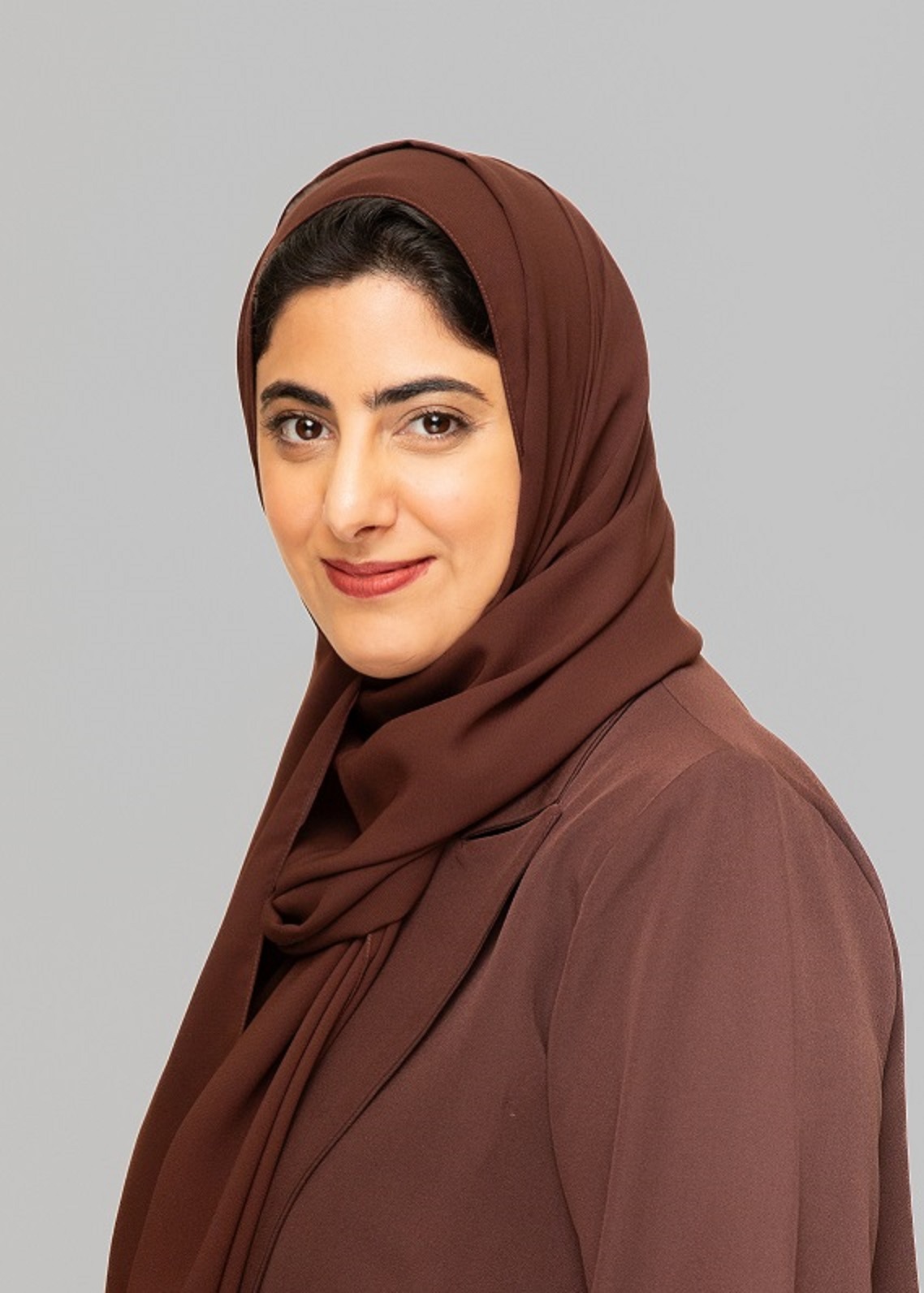
Commenting on the launch of the GCC Board Gender Index 2026, Her Highness Sheikha Shamma bint Sultan bin Khalifa Al Nahyan, Chairperson of diversity and inclusion agency Aurora50, said, “Aurora50 is proud to partner for a third time with Heriot-Watt University Dubai on this authoritative GCC-wide benchmark that continues to deliver consistent tracking and provides transparent data in and for the region.
“It’s particularly encouraging to see the UAE’s progress in this space, with women’s board representation in the nation growing from 3.5% to 15% since 2020. This is a true testament to the vision of the UAE’s leadership in advancing gender equity in the workplace. Women in board positions bring broader perspectives, stronger governance, and significant organisational growth – at a time when the world demands resilient, adaptive business leaders, my hope is that the value of diversity will continue to be recognised and leveraged.”
Provost and Vice Principal of Heriot-Watt University Dubai, Professor Dame Heather McGregor, said, “The GCC Board Gender Index has, over time, become an important benchmark for understanding how boardrooms across the region are evolving. What stands out in this year’s findings is not just the increase in representation but also the consistency of that progress, underpinned by a growing breadth of data and insights.
The UAE continues to demonstrate what is possible with sustained focus, but there is a clear opportunity to accelerate more broadly across the region. Our collaboration with Aurora50 is grounded in a shared belief that rigorous, transparent data can play a meaningful role in shaping better outcomes. It is encouraging to see the region continuing to move in the right direction, and I am keen to build on this progress through our ongoing work, informed conversations and contribution to long-term, systemic change in board composition across the GCC.’
The GCC Board Gender Index, supported by Board Intelligence, AlixPartners and Grant Thornton, includes detailed data on board directors. Each company and director is uniquely identified to ensure accuracy and avoid duplication, particularly when companies are listed on multiple exchanges or directors serve on multiple boards. This approach enables the report to serve as a single, authoritative source of data for researchers, policymakers and industry stakeholders, while also elevating the visibility of women currently serving on boards and recognising the region’s ongoing progress.
The GCC Board Gender Index Report 2026 is available on the Heriot-Watt University Dubai website.
