
In a region accelerating toward the future, it’s frustrating to watch capable young people slowed down by systems that no longer match their ambition. Their struggle isn’t rooted in a lack of talent, it’s rooted in a lack of access. Over the years, I’ve seen brilliant minds miss out on life-changing opportunities simply because the pathways to reach them were never designed for today’s world.
That’s when it became clear: the Middle East doesn’t need more talent; it needs better bridges.
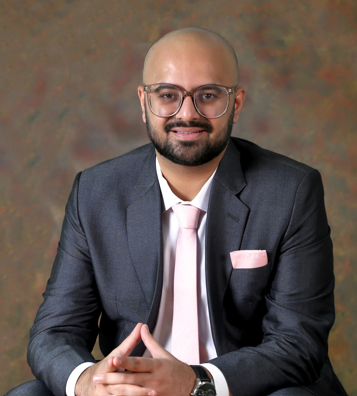
I’m Sameer Saleem, and over the past decade, one truth has become impossible to ignore:
Even with so much energy and talent in the region, the path from skill to opportunity is still limited by old, outdated processes.
From the UAE to Saudi Arabia, and from Pakistan to Egypt and Jordan, Job-seekers dream big. They invest in education, build skills, and aspire to compete on the global stage. Yet the moment they enter the job market, they collide with a recruitment ecosystem that belongs to another era, slow, manual, fragmented, and disconnected from the reality they live in.
That gap between who they are and what they can access is where my story begins…
The Unspoken Struggle of Middle Eastern Job Seekers
Ask any graduate or mid-career professional in the region about their job search, and you’ll hear the same pattern:
- “I apply every day, but no one responds.”
- “I don’t know if my CV is even formatted correctly for GCC companies.”
- “I want opportunities abroad but don’t know how to reach them.”
- “Interviews happen… then silence.”
The job search model in the Middle East is still largely manual, fragmented, and emotionally draining. Candidates waste hours rewriting CVs, applying role by role, refreshing inboxes, and guessing what employers want. The process is repetitive, slow, and opaque.
And on the other side, employers are equally overwhelmed, screening piles of mismatched CVs, attending job fairs without measurable results, and struggling to communicate with thousands of candidates.
The problem is simple: Our region has world-class ambition but outdated tools.
The Gap Between Opportunity and Access
What shocked me most while analyzing the region’s hiring patterns was the inequality of access.
- A brilliant graduate in Oman may never get visibility in Dubai.
- A top-tier engineer in Jordan might never reach Riyadh’s recruiters.
- A marketing specialist in Egypt may be ignored simply because their CV isn’t aligned with GCC expectations.
Talent is evenly distributed.. Opportunity is not.. And access is the missing bridge.
This is the gap the Middle East must solve if it wants to become a true global economic powerhouse.
The Moment I Realized the System Needed Reinvention
At one point, I spoke with a candidate who applied to 310 jobs across the UAE and Saudi Arabia.
Not one employer responded. When I reviewed her CV, the issue wasn’t her background. She had an excellent academic record, certifications, and internships. The issue was formatting, keywords, and alignment to GCC hiring norms, things no one teaches young people.
Another case:
A Riyadh university hosted a job fair with thousands of students. By evening, no one knew who met whom, who was shortlisted, or how many hires would follow. Both sides were trying. The system simply wasn’t built to support them.
This mindset, that the entire hiring architecture needed modernization, became the foundation for what would come next.
Introducing JobsterX – A Career Ecosystem, Not Another Job Board
I didn’t want to build a job portal, the region already has plenty. I wanted to build an end-to-end career ecosystem that could finally address the real pain points of Middle Eastern job seekers and employers.
JobsterX is built around four core beliefs:
- Talent Should Not Be Limited by Geography
AI-built, region-specific CVs (GCC, Europe, North America, Asia) give candidates the confidence to apply anywhere in the world, without guessing what employers expect. - Job Search Should Not Be Manual
With our Auto-Apply Engine, job seekers set their preferences once and let technology apply for them across borders, industries, and time zones. - Job Fairs Should Produce Real Results
We’ve rebuilt job fairs for the digital era, QR-based profiles, instant shortlisting, employer dashboards, and end-of-day hiring reports that actually measure outcomes. - Job Seekers Deserve Answers, Not Silence
Ghosting is not acceptable. “We will get back to you” is not enough. Our platform ensures structured post-interview updates, clear timelines, and transparent communication so every job seeker knows where they stand.
All of this removes friction, accelerates opportunity, and gives young people exactly what they deserve: a fair chance.
Why This Matters – And the Change I Want to Lead
The Middle East is ready to lead the next era of digital careers. With one of the youngest populations, fast-growing economies, and governments investing heavily in human capital, the region has everything it needs, except modern systems that make opportunity truly accessible, intelligent, and borderless.
That is the purpose behind JobsterX: not to build another platform, but to redesign how talent moves across the region and the world.
My belief is simple: the Middle East doesn’t need to import solutions, we can build world-class ones ourselves.
And if JobsterX helps even one job seeker get noticed, one employer finds the right person faster, or one family celebrate a new opportunity, then every late night and every line of code becomes worth it.
This is more than a business.
It’s a commitment to giving our youth the career ecosystem they’ve always deserved, and we are only getting started.
