
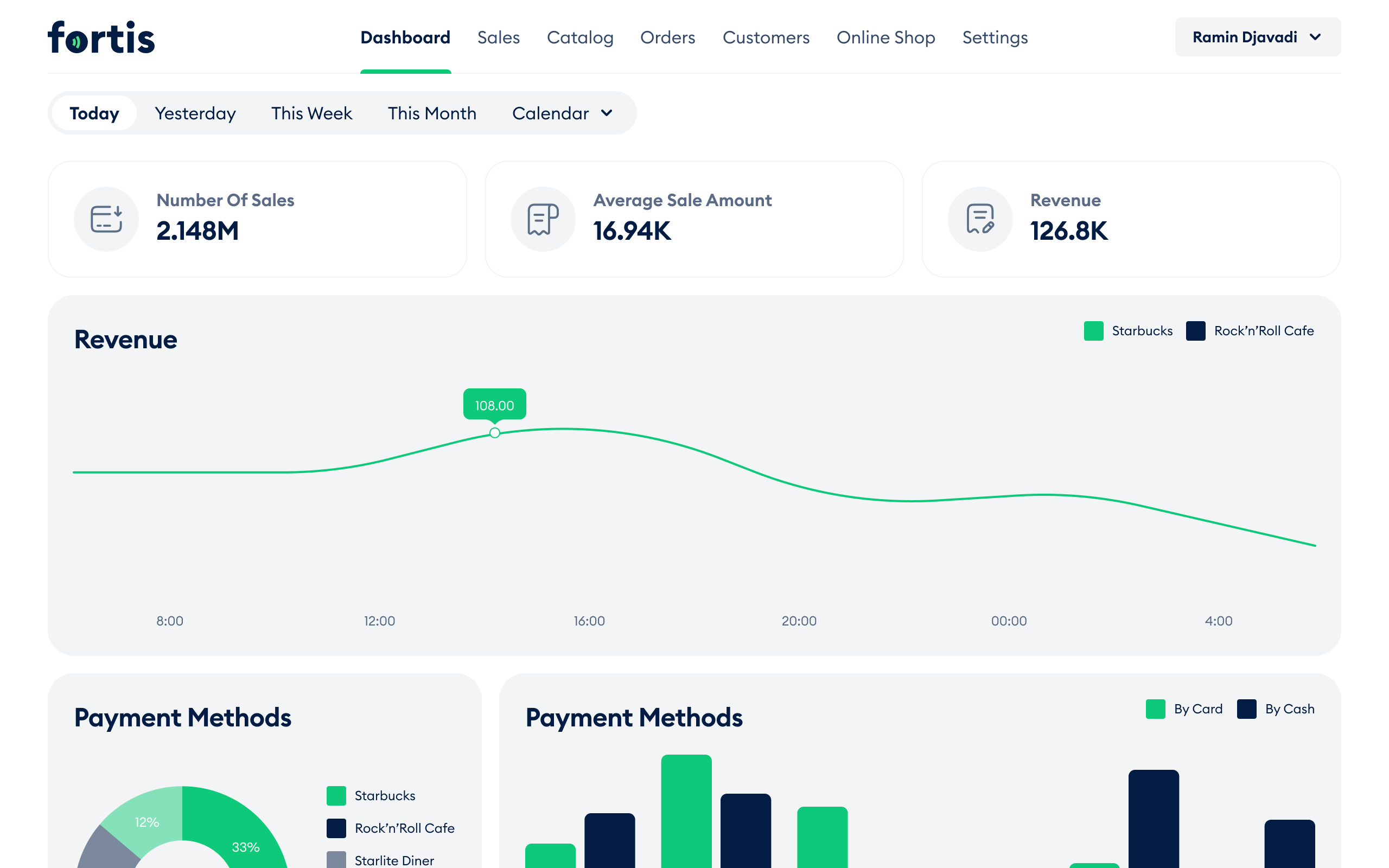
Fortis, a software platform that helps SMEs run and grow their businesses, today reveals findings from its latest UAE research, conducted with over 130 SMEs. Although the country invested more than AED 543 billion in investments in digital transformation, 64% of SMEs continue to rely on Excel to manage core operations, exceeding the use of accounting systems (51%), CRM platforms (35%), delivery tracking tools (35%), and even dedicated POS systems (34%), according to Fortis data.
In the UAE, there are over 557,000 registered SMEs, contributing 63.5% of the country’s non-oil GDP, accounting for 94-95% of all registered businesses, and employing roughly 86% of the private sector workforce.
However, adoption gaps persist, with reports indicating that traditional SMEs and smaller contractors continue to rely on spreadsheets and legacy systems, driven by challenges including limited access to finance, infrastructure gaps, and cultural resistance to new technologies.
According to Fortis’ field report across F&B, car washes, and laundries, businesses widely adopt POS and payment systems for customer-facing operations. Yet, when it comes to core operations, over 60% of participants managed inventory outside their own systems, relying on Excel.
“Retailers continue to manage inventory, reconciliation, and reporting through custom-built Excel sheets. This is not due to a lack of awareness or access to alternatives, but rather because many existing tools fail to align with how these businesses actually operate. Each business had developed its own customised Excel workflows, tailored precisely to its operations,” says Fortis’ Chief Marketing Officer, Ahmed Sameh.
Owners cited inventory modules as overly complex, requiring training and maintenance without clear value, while spreadsheets offered simplicity, familiarity, and control. Specifically, high-volume operators reported inefficiencies, frequent discrepancies, and a lack of real-time visibility, often requiring significant time to reconcile errors. Lower-volume businesses, by contrast, described Excel as manageable and sufficient for their needs.
“What small businesses need is software that earns trust the same way Excel did by being simple, immediate, and completely in the operator’s control,” adds Ahmed Sameh.
The findings point to a broader gap in SME technology, but also to a clear opportunity. As the UAE accelerates its digitalisation agenda and targets one million registered SMEs by 2030, alongside regulatory shifts such as e-invoicing and corporate tax, the need for practical, easy-to-use tools will only grow. The next generation of SME software will be defined by its ability to combine the flexibility of spreadsheets with the intelligence of connected systems – positioning early movers to earn the same trust that Excel has built over decades.
About Fortis
Fortis is a software platform that helps SMBs run and grow their businesses smarter. By combining payments, sales tracking, customer management, and loyalty programs into a single platform, Fortis empowers merchants to streamline operations, enhance customer experiences, and grow in a digital-first economy.
