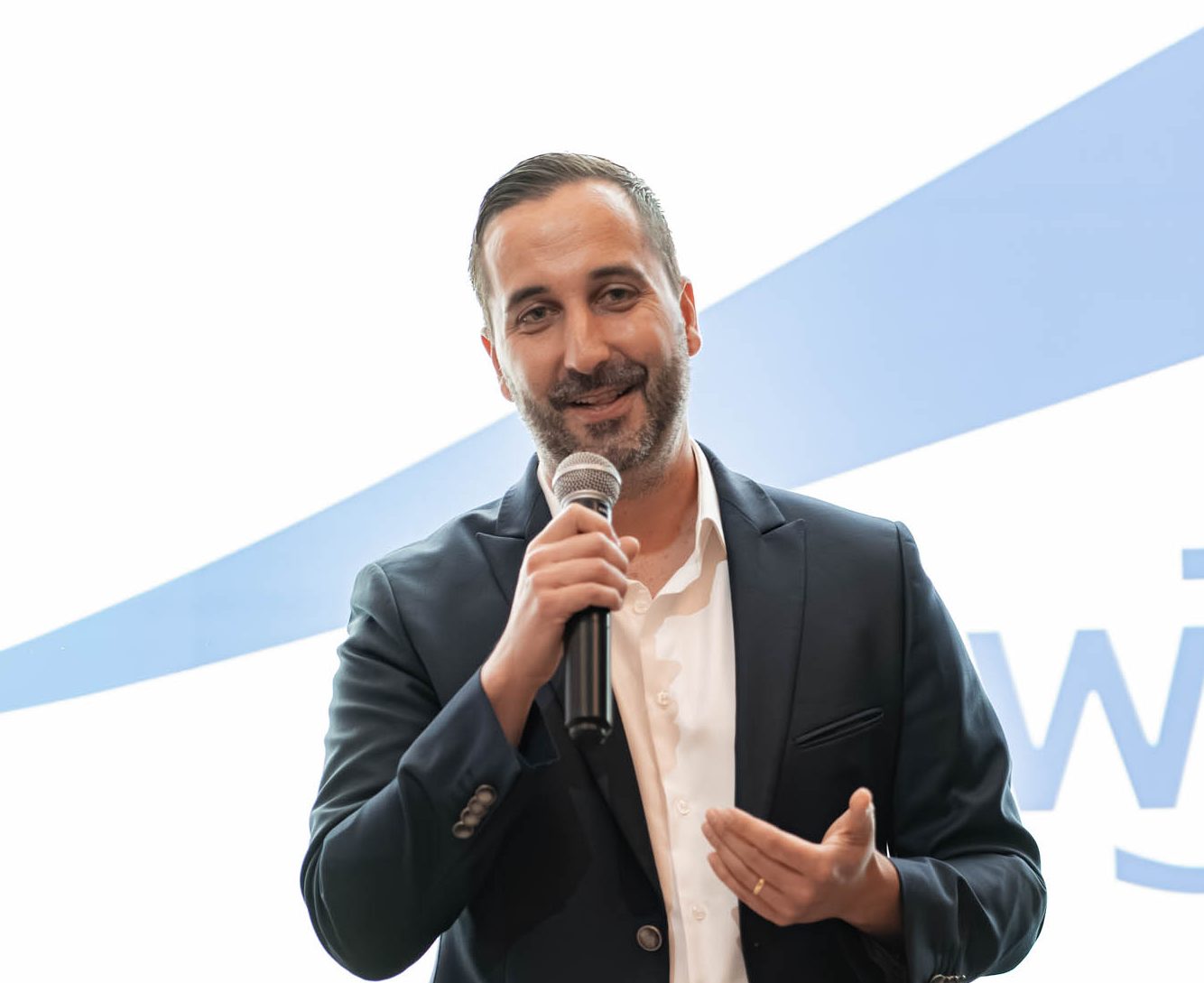
Tell us about yourself and what it is you currently do
I’m an entrepreneur, consultant, and brand builder with a strong focus on marketing, sales, and positioning. My background is rooted in building and scaling brands, especially in environments where visibility, trust, and speed matter. Over the last years, I’ve worked closely with companies, founders, and C-suite leaders across Europe and the Middle East, helping them translate what they do into a clear, credible market presence.
Today, I operate primarily from Dubai and work internationally. My core work revolves around strategic LinkedIn consulting, employer branding, and growth-oriented content strategies. In parallel, I’m involved in several ventures, including hospitality and community building, which keeps my perspective grounded in real operational business challenges, not just theory.
What drives me is simple: helping people and companies show up with clarity, relevance, and confidence in a very noisy digital world.
What services do you offer?
My work sits at the intersection of strategy and execution. I support companies and leaders in defining their positioning, building a strong personal or corporate brand on LinkedIn, and connecting marketing with real business outcomes.
This includes LinkedIn strategy and consulting, C-level and founder branding, employer branding for recruiting, content systems for teams, and advisory on how sales, marketing, and visibility work together. I don’t believe in one-off posts or vanity campaigns. The focus is always on building a system that works long-term and fits the organization’s culture and goals.
In many cases, I also work hands-on with leadership teams and internal marketing or HR departments to enable them to execute consistently and independently over time.
How can LinkedIn help define and communicate a clear brand identity for companies and C-suite leaders?
LinkedIn is no longer just a networking platform. It’s a live reputation engine. For companies and leaders, it’s often the first place where potential clients, candidates, or partners form an impression.
The strength of LinkedIn lies in its authenticity. You can’t hide behind glossy campaigns for long. The platform rewards clarity, consistency, and relevance. When used properly, LinkedIn allows leaders to articulate their values, perspective, and expertise in real time. For companies, it becomes a channel to show culture, direction, and credibility beyond the website.
The key is alignment. The personal voice of leadership and the corporate brand must tell the same story from different angles. When that happens, trust builds naturally.
How do you define a successful LinkedIn marketing strategy today?
A successful strategy today is not about going viral. It’s about being present, relevant, and recognizable to the right audience over time.
That means clear positioning, a defined point of view, and content that educates, challenges, or adds perspective. Consistency matters more than frequency. A strong strategy connects content with business goals, whether that’s recruiting, lead generation, partnerships, or brand authority.
Most importantly, it’s measurable. You should know why you post, who you want to reach, and what action you expect as a result.
What makes a LinkedIn profile or company page feel credible and trustworthy?
Credibility comes from coherence. A profile that clearly communicates what someone stands for, what they do, and who they help already has a huge advantage.
Trust is built through substance. Real insights, experience-based opinions, and transparent communication outperform polished buzzwords every time. Visual consistency helps, but content depth matters more.
For company pages, showcasing people, not just products, is critical. When employees, leaders, and the brand speak with one voice, credibility follows.
What common mistakes do brands make when approaching LinkedIn marketing?
The biggest mistake is treating LinkedIn like an advertising billboard. Too many brands talk about themselves instead of addressing real problems or questions their audience has.
Another mistake is inconsistency. Posting heavily for a few weeks and then disappearing damages trust. LinkedIn is a long game.
Lastly, many brands underestimate the role of leadership visibility. People trust people, not logos. When leadership is absent, growth is limited.
What differentiates brands that grow consistently on LinkedIn from those that don’t?
Clear positioning and patience. Brands that grow know exactly who they are speaking to and why. They don’t chase every trend.
They invest in content systems instead of isolated posts and empower their teams to participate. Growth on LinkedIn is often the result of internal alignment, not just external tactics.
How does the core of your work in marketing, sales, and recruiting connect through strong positioning and content?
Everything starts with positioning. When positioning is clear, marketing becomes sharper, sales conversations become easier, and recruiting becomes more authentic.
Content acts as the connector. It pre-frames sales conversations, attracts the right talent, and filters out mismatches. Strong content reduces friction across the entire business funnel.
That’s why I always look at LinkedIn not as a marketing tool, but as a strategic interface between brand, market, and people.
Do you have a case study you can share?
One example is a mid-sized B2B company that struggled with recruiting senior talent despite strong products. Together, we repositioned the company on LinkedIn, activated leadership voices, and aligned employer branding with real internal culture.
Within months, inbound applications increased significantly, and conversations with candidates became more aligned and efficient. At the same time, the leadership team noticed improved visibility with potential partners and clients. One strategy, multiple outcomes.
How can smaller brands or individuals compete with larger companies on LinkedIn?
Smaller brands have a major advantage: speed and authenticity. They can be more personal, more opinionated, and closer to their audience.
LinkedIn doesn’t reward budget, it rewards relevance. A clear point of view and consistent presence can outperform large brands that communicate cautiously or generically.
Which LinkedIn metrics matter most for brand building?
Reach and impressions are indicators, not goals. I focus more on profile views, inbound messages, comment quality, and follower relevance.
If the right people engage and conversations start, the strategy works.
What tools or features do you use for performance tracking?
LinkedIn analytics are the foundation. Depending on the setup, I also use CRM systems, simple dashboards, and qualitative feedback from sales and HR teams. Numbers matter, but context matters more.
Another venture you are involved in is Young Leaders UAE. Tell us more about this.
Young Leaders UAE is a community for ambitious professionals and entrepreneurs under 40 who want to grow, exchange perspectives, and build meaningful connections between Germany and the UAE.
It’s about responsibility, leadership, and personal development, not superficial networking. The initiative reflects my belief that strong ecosystems are built through trust, learning, and long-term relationships.
As the President of Young Leaders UAE is most important to me to building things with substance. I care about trust, long-term thinking, and creating environments where people can grow as leaders, not just as professionals.
What is next for you?
My focus is on scaling my advisory work, expanding community-driven projects, and continuing to bridge markets between Europe and the Middle East.
At the same time, I’m investing more in education and content formats that help leaders understand how positioning, AI, and platforms like LinkedIn shape modern business.
Where can readers connect with you or find out more?
The best place is LinkedIn. That’s where I share my thinking, insights, and current projects openly. From there, everything else connects naturally. You can also have a look at the website and get in touch with me.
