
As global perspectives on education continue to evolve, boarding schools are increasingly being recognised not just as academic institutions, but as environments that shape well-rounded, future-ready individuals. For many families, particularly those with international lifestyles, the decision to invest in boarding education is driven by a desire for consistency, personal development, and access to world-class opportunities that extend far beyond the classroom.
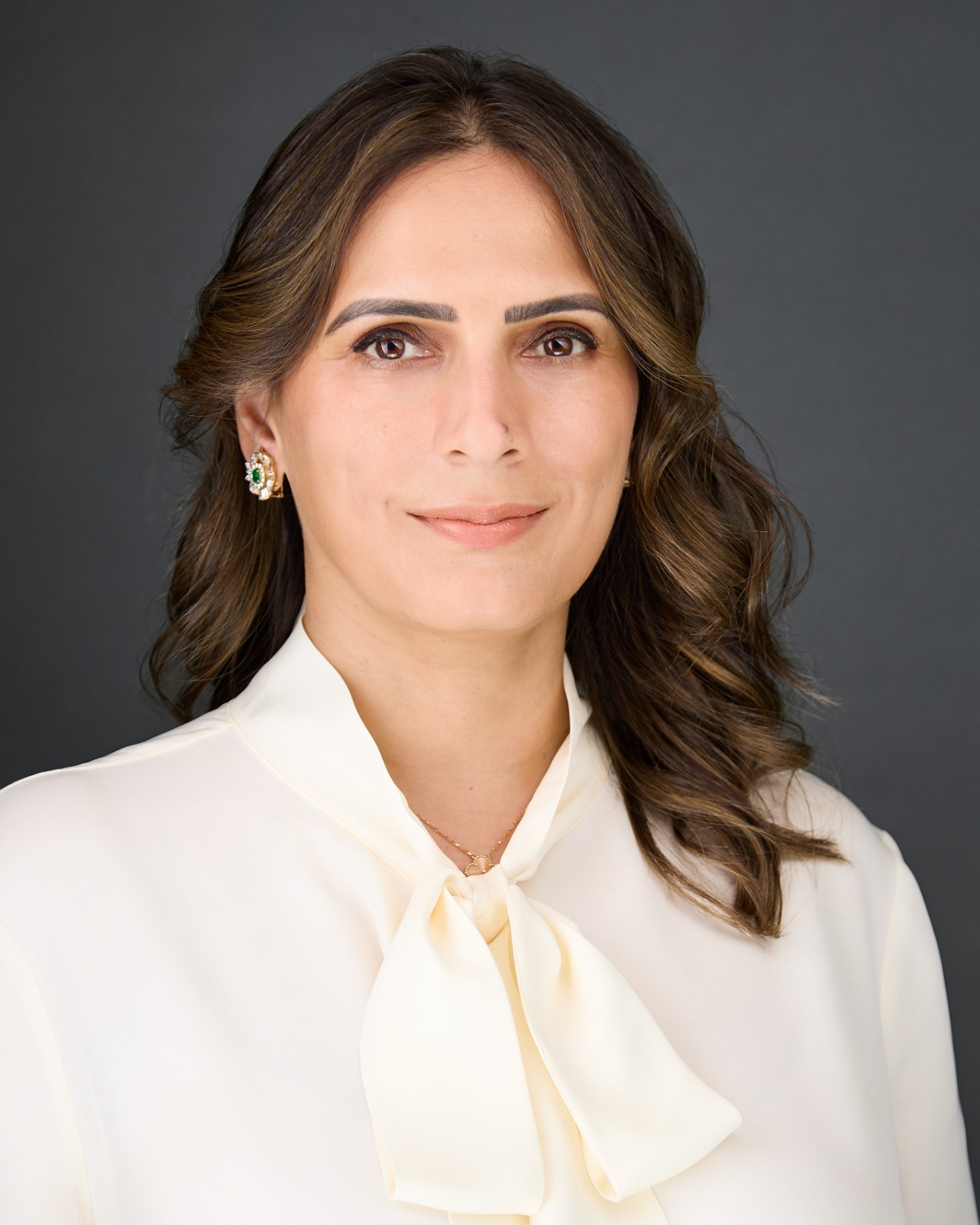
In this interview with Bizpreneur, Aanchal Kotibhaskar, Founder and Lead Education Advisor at XellED, Dubai, shares her insights on the rising demand for boarding schools, the priorities guiding high-net-worth parents, and the key trends redefining premium education. She also explores how global uncertainty is influencing decision-making and offers practical advice for families navigating this important long-term investment.
What is driving the growing demand for boarding schools globally?
The demand is being driven by a shift in how parents define education itself. Increasingly, it’s not just about academic outcomes, but about shaping independent, globally aware young adults. Boarding schools offer a uniquely immersive environment where structure, discipline, and exposure to diverse peer groups come together in a way day schools often cannot replicate. For globally mobile families – especially in markets like the UAE – boarding also provides continuity and stability in an otherwise transient lifestyle.
What key factors do parents prioritise when investing in high-end boarding education?
Today’s parents are highly discerning. Beyond academic excellence, they look for depth in pastoral care, strong university placement records, and a school’s ability to nurture individuality. There is also increasing emphasis on co-curricular distinction – whether in sports, arts, or leadership – as well as future-readiness through entrepreneurship, technology, and global exposure. Importantly, parents want alignment: a school that understands their child, not just one that ranks well.
What markets are seeing the strongest growth in outbound boarding school placements?
We are seeing strong outbound movement from the Middle East, particularly the UAE and Saudi Arabia, alongside sustained demand from India and Southeast Asia. These regions have a growing base of globally minded, high-net-worth families who view boarding education as a strategic long-term investment. There is also a noticeable rise in interest from Africa, especially among families seeking access to established British and Swiss institutions.
What impact has global uncertainty had on enrolment patterns and parent behavior?
Global uncertainty has made parents more intentional and risk-aware. There is greater emphasis on safety, pastoral infrastructure, and a school’s ability to provide continuity during disruption. At the same time, we’ve seen earlier planning cycles – families are starting conversations 2–3 years in advance rather than making last-minute decisions. Interestingly, uncertainty has also reinforced the appeal of boarding schools as stable, well-managed ecosystems where children can continue to thrive despite external volatility.
What trends are shaping the future of luxury education and student experience?
Luxury in education is being redefined. It is less about facilities alone and more about personalisation, access, and outcomes. We’re seeing a move towards highly tailored academic pathways, mentorship-driven learning, and integration of real-world experiences – be it entrepreneurship labs, global internships, or interdisciplinary projects. Wellbeing is also central, with schools investing deeply in mental health, balance, and emotional resilience. Ultimately, the future lies in creating confident, adaptable individuals – not just high achievers.
What advice would you give parents making a significant financial commitment to boarding education?
Treat it as a long-term developmental decision, not just a financial one. The right school is not necessarily the most prestigious, but the one where your child will be known, supported, and stretched in equal measure. Visit if you can, engage deeply with the school’s ethos, and look beyond rankings to understand culture and fit. Most importantly, involve your child in the process – when they feel a sense of ownership, the transition is far more meaningful and successful.
